
Craftsman or artist?
Your answer decides your future.
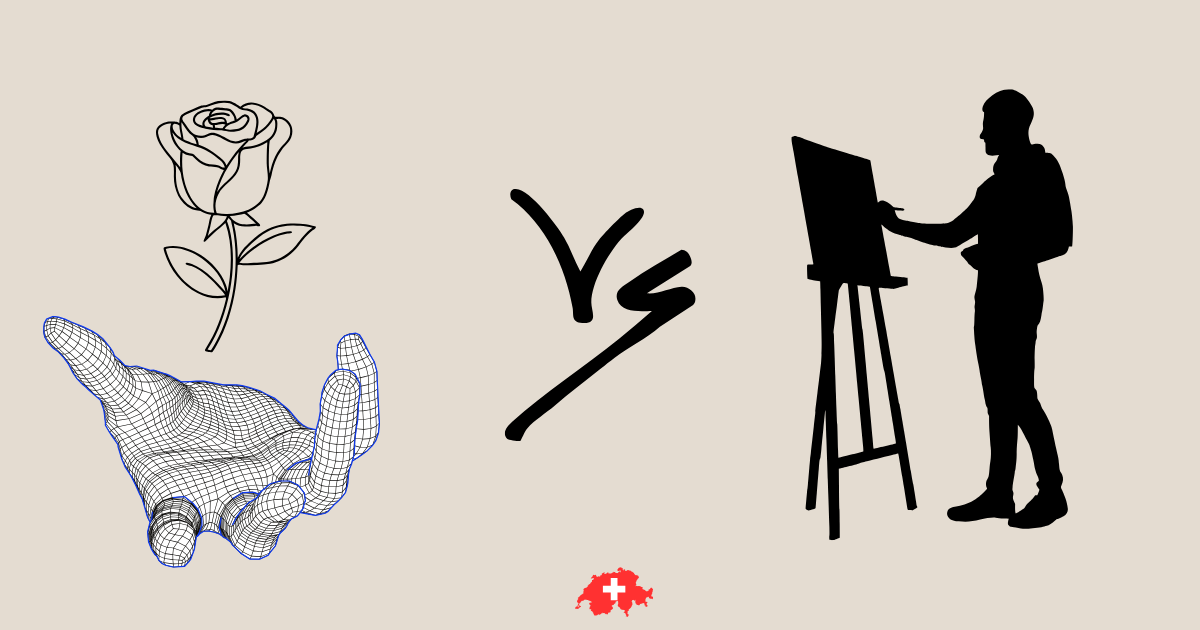
Today, we're not talking about a tool. We're talking about a concept that I think will be incredibly useful to you. It certainly has been for me.
One of the messages I get most often these days:
"Salim, I'm a graphic designer / photographer / copywriter / illustrator… am I done for?"
And every time I read one of these emails, I feel the same thing. A mix of "I get why you're anxious" and "no, wait, you're looking at this backwards."
Remember the 80/20 concept I told you about?
The idea that AI already does 80% of most jobs, and that the real question is finding your 20%?
Today I'm going to give you another word for that 20%. A word that I think will make something click for a lot of you.
And you'll see, it applies to absolutely every job, not just creative ones.
That word is: art.
But before that, in the same spirit, go check out this free case study from Roku, because it's exactly today's topic: when technique becomes available to everyone, the message is what makes the difference. And that's exactly what Jennifer Aniston's brand figured out:
How Jennifer Aniston’s LolaVie brand grew sales 40% with CTV ads
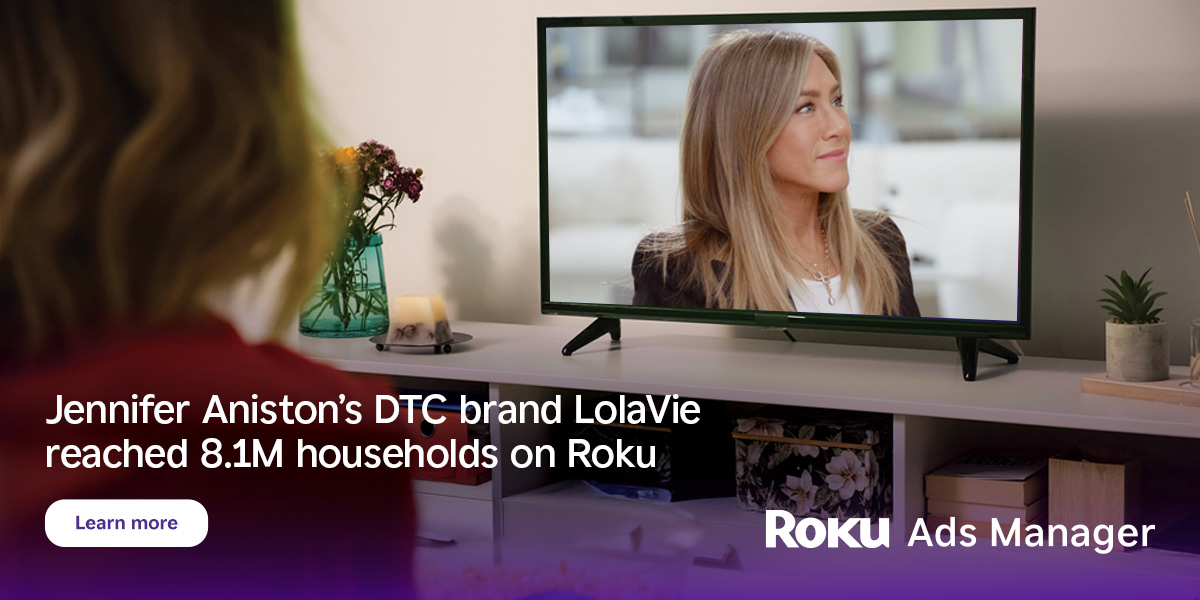
The DTC beauty category is crowded. To break through, Jennifer Aniston’s brand LolaVie, worked with Roku Ads Manager to easily set up, test, and optimize CTV ad creatives. The campaign helped drive a big lift in sales and customer growth, helping LolaVie break through in the crowded beauty category.
Back to our story.
Every child is an artist. The problem is how to remain an artist once we grow up.
Picasso
When photography arrived, portrait painters panicked. And they were right to. Within a few years, nobody paid a painter to capture a face anymore. The camera did it better, faster, cheaper.
The portrait craftsmen disappeared.
But painting itself? It exploded.
Impressionism. Cubism. Abstract art. Freed from having to reproduce reality, painters started expressing something.
A point of view. An emotion. A message.
And photography went down the exact same path. In the beginning, it took enormous technical skill.
The darkroom. Exposure times. Developing.
Today?
Your 10-year-old nephew takes technically perfect photos with his iPhone.
And yet great photographers have never been worth more. Because what matters isn't the camera.
It's the eye.
Technique became available to everyone. Art stayed rare.
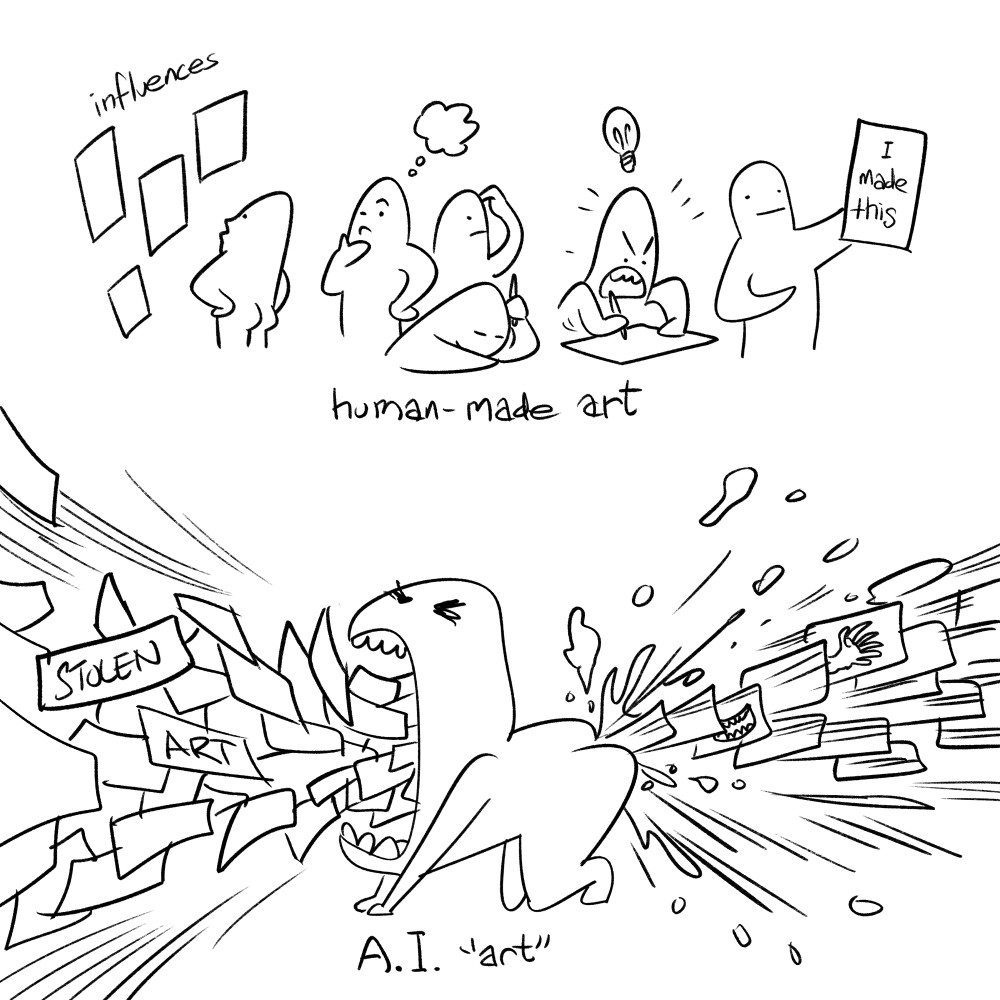
AI is doing exactly the same thing. Right now. Right in front of us.
The designer who made clean mockups? AI generates 15 of them in 30 seconds. But the designer who knows why that particular color will move that particular audience? Irreplaceable.
The copywriter who wrote SEO articles? ChatGPT churns them out by the dozen. But the one who finds the angle nobody else saw? Good luck automating that.
The carpenter who mass-produces furniture? Machines replaced him long ago. But the cabinetmaker who pours his soul into a one-of-a-kind piece? Nobody replaces him.
The pattern is always the same: technology destroys craft. Never art.
And it applies to every job:
→ Manager: your art isn't the follow-up emails. It's sensing a team member is checking out before they say it. Defusing a conflict. Convincing leadership when your instinct says the opposite of the numbers.
→ Salesperson: your art isn't mass prospecting. It's sensing the exact moment the prospect is ready and asking THE question that changes everything.
→ Lawyer: your art isn't case law research. It's strategy. Seeing in a file what nobody else sees.
→ Teacher: your art isn't preparing lessons. It's that look you give a student who's drifting off, and who suddenly starts listening again.
How do you find your art? Just one question:
"What do people come to ME for, and not to Google, not to ChatGPT, not to a YouTube tutorial?"
The answer is your 20%. It's your art.
A little personal confession: I'm an engineer. And for a long time, I thought my job was writing code. Debugging. Configuring.
AI forced me to look further. And I realized that an engineer, a real one, isn't someone who writes code. It's someone who finds solutions to problems. Understanding people, what's blocking them, imagining the right answer. Code was just the tool.
So the next time you ask yourself "Is AI going to replace me?", rephrase it:
"Am I doing craft… or art?"
If it's craft, yes, AI will do it, sooner or later. Use it.
If it's art, sleep easy. And invest everything in becoming a better artist.
Talk soon,
Salim from GenevIA, in Geneva
Get The Ergon Brief every week