
Your personal assistant is here (and there are four of them)
Four AI assistants launched in six weeks. Here's how to tell them apart.

Imagine for a moment that you had a personal assistant. Not an app, a real person. Someone who books your tickets, chases the supplier who isn't answering, cancels the subscription you've been forgetting about for six months, and warns you when a meeting lands at a bad time.
That's been everyday life for top executives forever. The rest of us do all of it ourselves, in the evening, in between emails.
Well, that's precisely what the tech giants are trying to give you right now. And it's moving much faster than expected.
You may have missed it, and that's understandable: in six weeks, four "assistants" of this kind have launched. Grok Bot from xAI, Muse from Meta, Instinct (a young startup everyone in Silicon Valley is talking about) and OpenAI's dots.
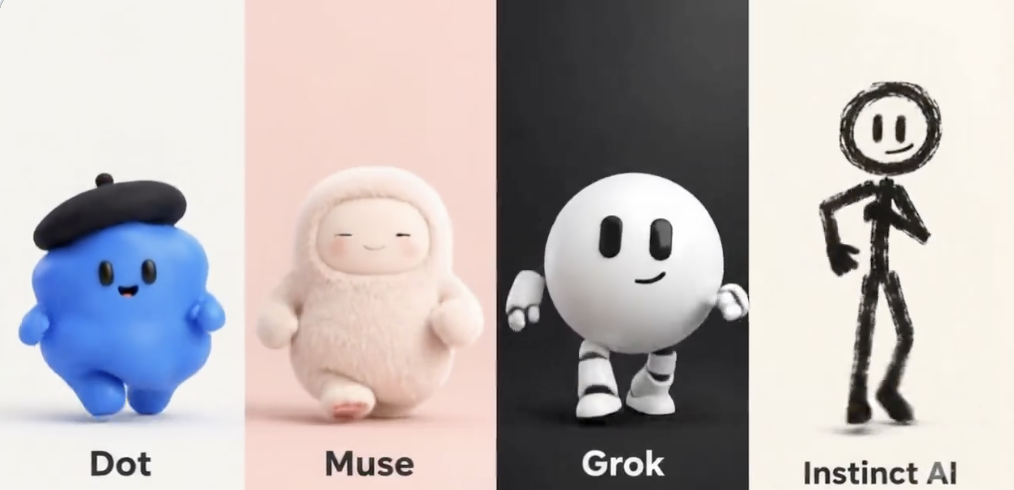
What they have in common: they no longer just answer your questions. You hand them a task, and they keep working after you close the app.
But behind that same word, "assistant," there are very different products, built for very different people. I'll sort them out for you right after a quick aside.
🏝️ Quick aside: the new free Ergon test
Before you hand your tasks to an agent, you still need to know which ones to hand over. That's exactly the question the Ergon test answers, and it just got a new look.
You describe your work in one sentence. Ergon breaks it down into concrete tasks and judges them one by one: AI handles it, AI does it and you review, simple software is enough, or it stays with you.
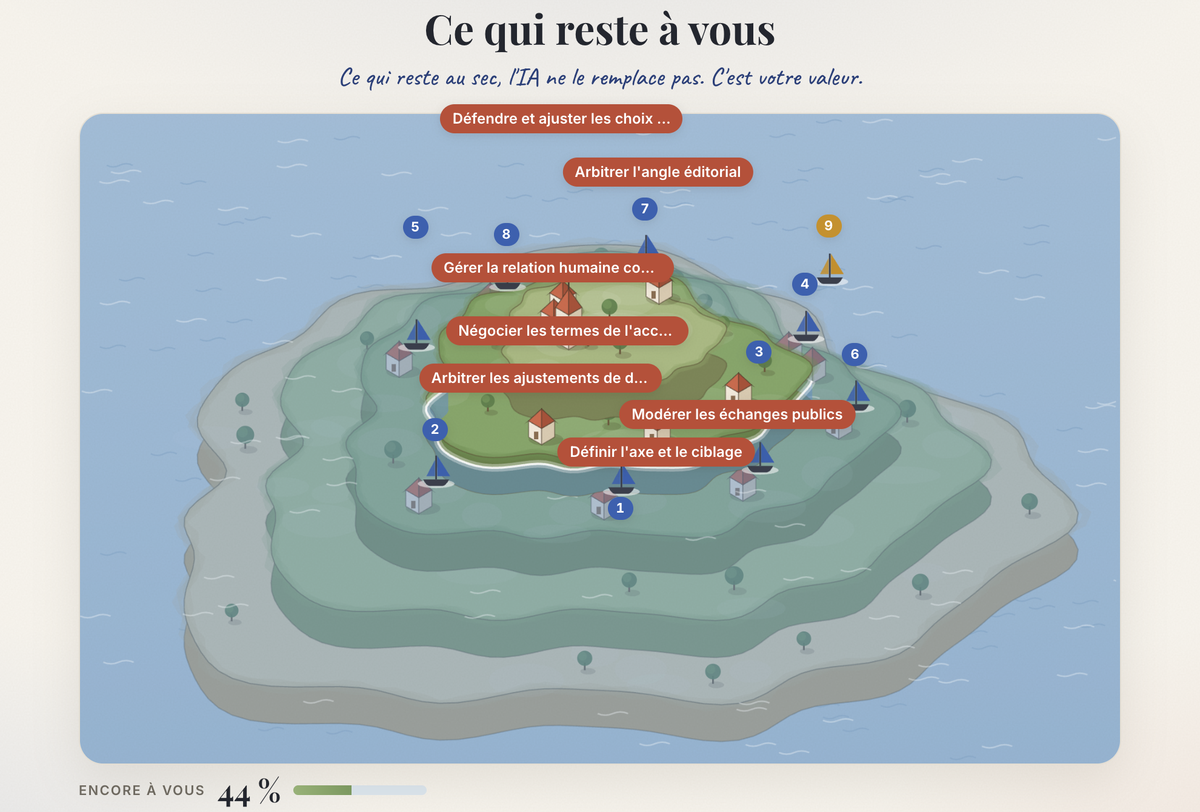
And now, you experience it rather than read it:
-
You guess first. While Ergon is thinking, you swipe each task left, up or right, based on your gut.
-
Your island rises. Each house is a task, the rising tide is AI. Whatever stays dry is your value.
-
The face-off. Wherever you disagreed with Ergon, it shows you why, and you say whether it convinced you.
-
Your results in a few screens, plus a card to share.
It takes about three minutes. It's free, no account needed, and 1,855 people have already taken it.
👉 Take the test on ergontest.com
🟣 Muse (Meta): the agent for your personal life
It's the most mainstream of the four. You talk to it in a dedicated app or right inside WhatsApp, like you'd talk to a friend. It books a trip, fills out a form, does your shopping, negotiates a bill, and asks for your approval before paying or sending an email.
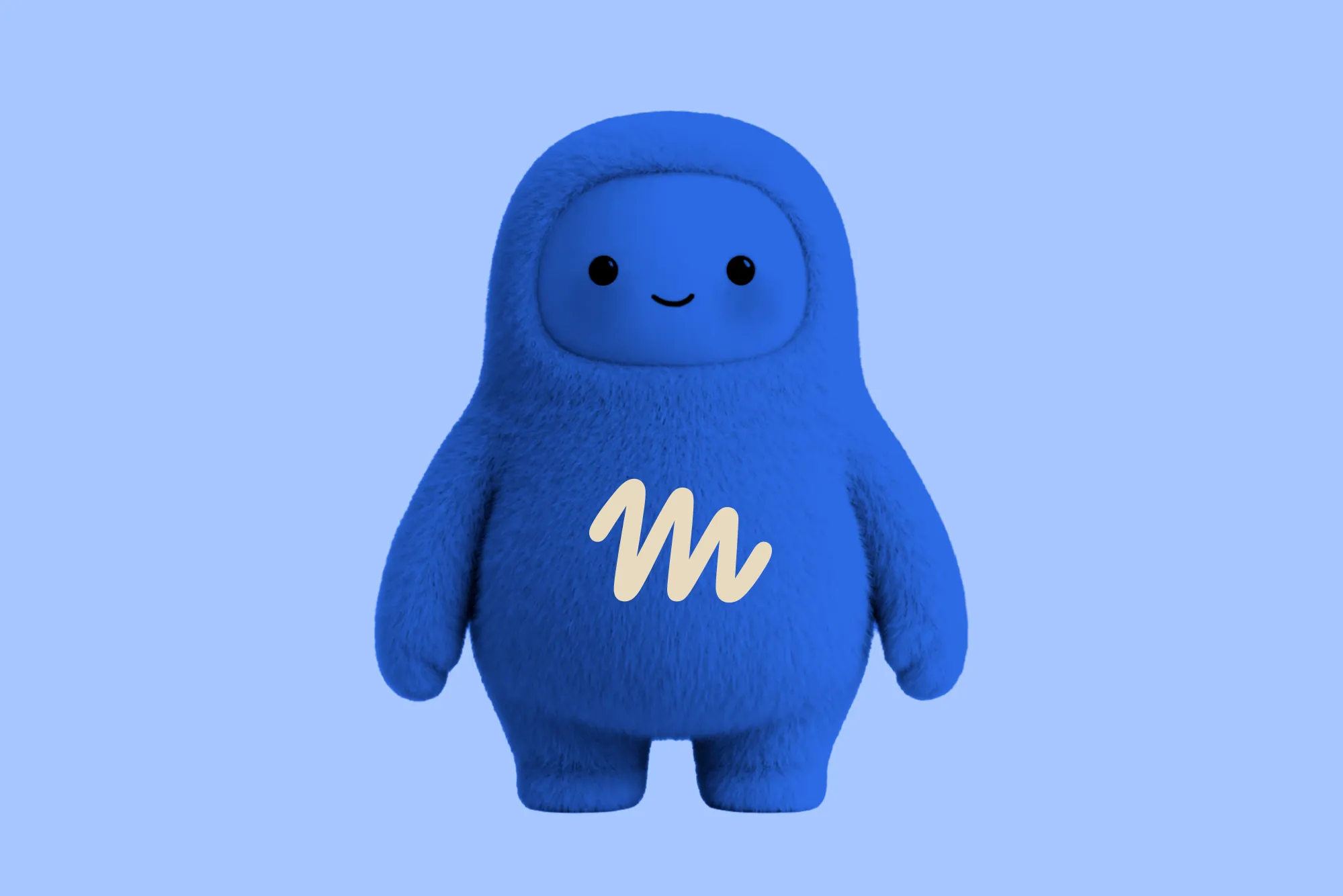
Who it's for: everyone, for everyday life. Free for the essentials, with paid plans.
The catch: for now, US only.
🟢 Instinct: the assistant you text
Instinct barely even has an app. You text it on iMessage or WhatsApp, or you call it. It makes calls and sends messages for you: groceries, tickets, canceling subscriptions. And above all, it's often the one who texts you first.

Who it's for: people who live in their messages and don't want to learn anything new.
The catch: invite-only access, and terms of use worth reading closely (your data is used for training by default, and whatever the agent agrees to on your behalf is binding on you).
The detail that says it all: the startup is one year old, its founder is 23, and it was just valued at $10 billion.
🔵 The dots (OpenAI): your right hand at work
This one's a different story. A dot lives in ChatGPT, but also in Slack or Teams. You don't give it a task, you give it a responsibility: track a launch, chase delays, update documents when the project changes. Sam Altman compares it to a chief of staff.
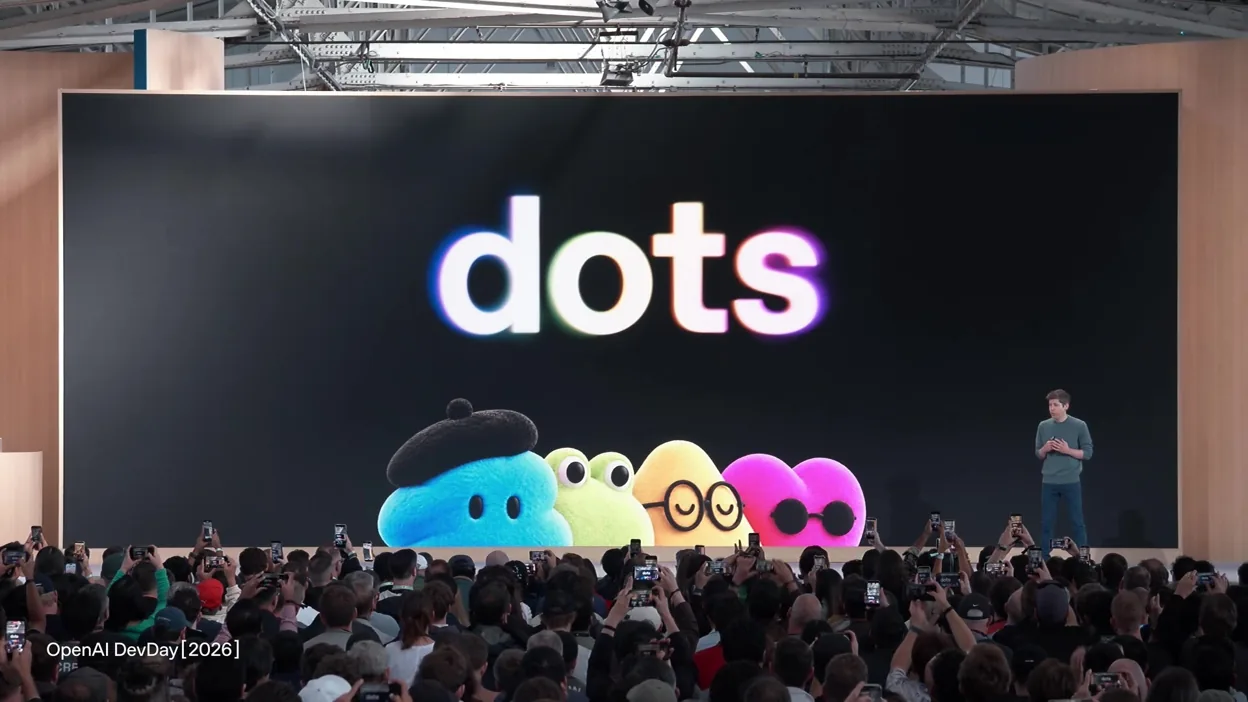
Who it's for: people who run projects and juggle dozens of tools. The catch: reserved for high-end plans (about $100 a month for Pro), and the Pro version isn't available yet in Switzerland or the European Union. Business Premium accounts, however, do have access.
⚫ Grok Bot (xAI): a team of agents for the workshop
The most technical one. Each bot has its own computer in the cloud, connects to your tools with your credentials, and several bots can hand work off to each other. You can even show it how to do something once so it can repeat it afterward.
Who it's for: teams, especially technical ones, who want AI "coworkers" for prospecting, support or bug fixing.
The catch: sold in $120 or $200 monthly plans, still in beta.
In one sentence
Muse and Instinct take care of your life. The dots and Grok Bot take care of your work. And between the two, the real difference is where you run into them: WhatsApp and your texts on one side, ChatGPT, Slack and your tools on the other.
What I think
These agents are excellent for the envelope of your work: booking, chasing, filling out, sorting. Everything a good craftsman does without thinking. They can't do the artist's part: deciding, making the call, signing off.
That said, let's be honest: it's still a bit early. It's fun to play with them, test them, see what they can do. But the security questions aren't settled yet, and how much control you're giving them over your phone, your accounts, your messages isn't very clear either.
Where not to use them for now:
-
Anything that commits you legally or financially without a review.
-
Your clients' or patients' data. An agent connected to your inbox sees everything.
-
Relationships built on trust. The message that really matters? Write it yourself.
My advice: start with a single, low-stakes use case, on an account with nothing sensitive on it.
But one thing is certain: this is going to be huge. The top executive's personal assistant is becoming available to everyone, and that's a small revolution.
Talk soon,
Salim
The Ergon Brief
Get The Ergon Brief every week